Leak Detection in Surprise, AZ
Non-invasive leak detection for hidden leaks in walls, under slabs, in attics, and along yard lines. The leak is located first, so any opening is small and in the right place.
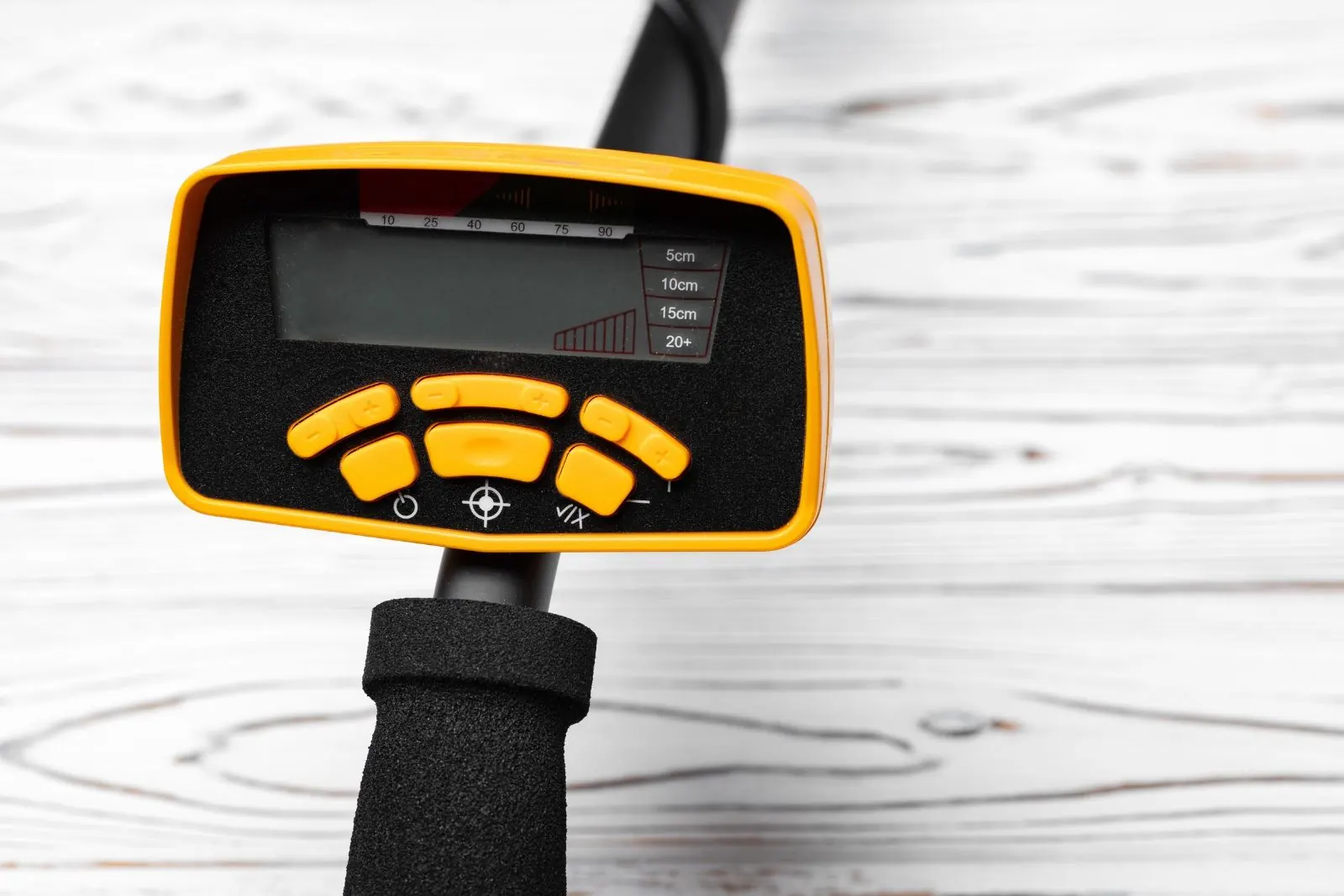
Finding the leak before anything gets opened up
Leak detection is the process of locating a hidden water leak using listening equipment, thermal cameras, pressure tests, and tracer gas, without cutting into walls or floors on a guess. The goal is one small, accurate opening instead of several exploratory ones.
Household leaks are easy to underestimate. According to the EPA's WaterSense program, leaks in an average home can waste nearly 10,000 gallons a year. Many callers do not know what is wrong yet. They only know the bill jumped, the meter keeps turning, or there is a sound of running water with every tap closed. Leak detection starts right there, with the symptom, and works back to the source.
In Surprise, slab foundations, attic plumbing runs in many newer homes, and long yard lines to irrigation and pools give a leak plenty of places to hide. Knowing how your house is plumbed narrows the search quickly.
Signs you need leak detection even if you cannot see water
These are the symptoms people describe most when a leak is hidden.
- The water bill jumped. Usage went up with no change in habits, pool filling, or landscaping.
- The meter keeps moving. With every fixture off, the leak indicator on the meter face still turns.
- You hear running water. A hiss or trickle in a wall or under the floor when nothing is on.
- A floor feels warm. A warm spot on tile often means a hot water line leaking under the slab.
- Stains or bubbling paint. Ceiling stains below attic lines or bubbling baseboard paint point to water behind the surface.
Do this two-minute meter test first
This test tells you whether water is escaping somewhere before anyone comes out.
- Turn everything off. Close every faucet, stop the dishwasher and washer, and make sure no toilet is refilling.
- Pause the irrigation. Set the landscape controller to off and turn off any pool autofill.
- Read the meter. Find the small leak indicator on the meter face, often a triangle or star, and watch it for two minutes.
- Close the house main. If the indicator moves, shut the house main. If it stops, the leak is inside. If it keeps moving, the leak is between the meter and the house.
- Write it down. Note what you saw. It saves real time when the plumber arrives.
The tools used to find hidden leaks
Different leaks call for different tools, and most jobs use more than one.
| Method | How it works | Best for |
|---|---|---|
| Acoustic listening | Sensitive ground and wall microphones pick up the sound of water escaping under pressure. | Slab leaks and buried supply lines. |
| Thermal imaging | An infrared camera shows temperature differences from wet or warm areas. | Hot water leaks and wet spots behind drywall. |
| Pressure isolation | Sections of the system are shut off and watched for pressure drop. | Confirming which line is leaking. |
| Tracer gas | A safe gas is pushed into a drained line and detected where it escapes to the surface. | Very small leaks and lines under concrete or yards. |
| Moisture meters | Probes measure dampness in drywall, wood, and flooring. | Mapping how far water has spread. |
Where leaks hide in Surprise homes
Under the slab is the classic spot. Supply lines that run below the concrete can develop pinholes or wear where they rub against the slab, and the only early sign may be a warm floor or a higher bill. Those leaks have their own repair choices, covered on our slab leak detection and repair page.
Overhead is the second spot. Many newer Surprise homes run water lines through the attic, where summer heat is hard on fittings. A leak there shows up as a ceiling stain, sometimes far from the fixture it feeds.
Outside is the third. The service line from the meter to the house, irrigation valves, and pool autofill lines can all leak into the soil. A line that runs from the meter box to the house is a separate job, handled by water line repair and replacement.
Across Maricopa County, a hidden leak usually shows up first on the water bill, whether that bill comes from EPCOR or the City of Surprise. Both place meter boxes near the street, so the meter test works the same from Marley Park to the homes along Grand Avenue.
What affects the cost of leak detection
The search is quoted up front, once the plumber knows how much of the property needs checking.
| Cost factor | How it moves the price |
|---|---|
| How clear the symptoms are. | A leak with a known area takes less time than a whole-house search. |
| Methods needed | A quick acoustic check costs less than tracer gas on a long buried line. |
| Size of the property | Long yard lines, pools, and irrigation zones add ground to cover. |
| Access | Crawling an attic or moving stored items adds time. |
| Repair on the same visit. | Fixing the leak once it is found is priced separately from locating it. |
Leaks, insurance, and paperwork
Many policies pay to access and repair damage from a sudden hidden leak, and some cover the cost of finding it. Slow leaks that ran for months are often excluded, so call your agent with the detection report in hand.
Want to book the search? Call (623) 301-9042 and share what the meter test showed.
Leak detection questions from Surprise homeowners
Do the meter test first. Turn off every fixture and the irrigation, then watch the leak indicator on the meter. If it moves, water is escaping somewhere hidden, and leak detection will find where.
Not to find the leak. The tools locate it from the surface. If the leak is under the slab, the repair choice might be a small opening or a reroute that avoids the floor entirely.
Combining acoustic listening, thermal imaging, and pressure tests usually narrows a leak to a small area, which keeps the repair opening small.
In most cases the line from the meter to the house belongs to the homeowner. Check with your water supplier if you are unsure where their side ends.
Yes. Many newer homes in Surprise run water lines through the attic. Ceiling stains, especially after a hot stretch, are a sign to check there.
Leak detection covers any pressurized line on the property. Pool shells and equipment have their own process, covered on our pool leak detection page.
After the leak is found
A leak in a single spot is usually repaired right there. When a home keeps springing leaks in different places, especially older copper, it may be time to talk about repiping instead of patching.
Older copper systems are common just north of the city, where Sun City West leak detection often turns up pinholes in lines from the 1980s and 1990s.
Think you have a hidden leak?
Run the meter test, then call. We will find it before anything gets opened.
Call (623) 301-9042