24/7 emergency service
Sewer Line Repair in Surprise, AZ
Camera-first repair for cracked, root-invaded, and sagging sewer laterals. When sewage is coming up inside, the line is answered 24/7 and the backup is cleared before anything else.
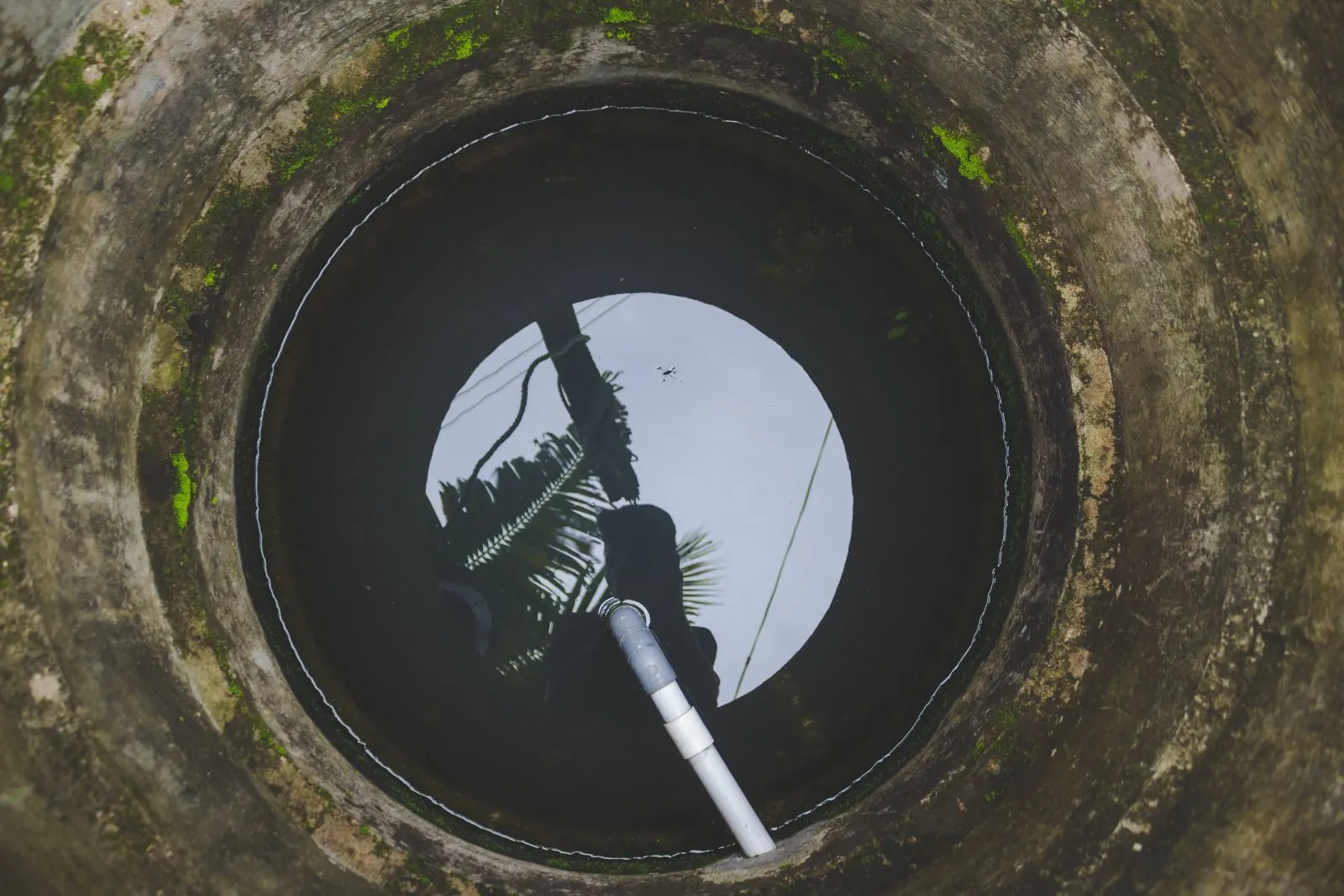
Sewer line repair that starts with seeing the pipe
Sewer line repair is fixing a damaged section of the lateral, the private pipe that carries waste from your house to the public sewer main. Repairs range from replacing one broken joint to lining a longer stretch from the inside without digging a trench.
In most cases the lateral from the house to the city main belongs to the homeowner, so its upkeep falls to you. That is worth knowing before a backup, not during one.
Every repair here starts with a camera. Guessing from the surface leads to digging in the wrong place, and a short video run shows exactly what failed, where it is, and how deep the pipe sits.
What to do during a sewage backup
A backup is an emergency because the waste has nowhere to go but up. These steps limit the mess until the line is open.
- Stop all water use. Every flush, shower, and load of laundry adds to what is coming back up.
- Keep people and pets away. Sewage carries bacteria. Stay off wet flooring and keep children out of the area.
- Do not use chemical openers. They rarely reach a main-line blockage and make the water dangerous for whoever opens the line.
- Open the cleanout cap only if safe. Loosening the exterior cleanout can let sewage drain outside instead of into the house. Stand back while it releases.
- Photograph the damage. Pictures of the backup and any wet materials help with a sewer backup claim if your policy covers one.
What the camera usually finds, and the fix for each
The footage decides the repair. These are the common findings in local laterals.
| Camera finding | What it means | Typical repair |
|---|---|---|
| Roots at a joint | Roots found a small gap and are growing into the line. | Clear the roots, then seal or replace the joint. |
| Crack or hole in one spot. | Localized damage from settling or age. | Spot repair of that section. |
| Belly or sag | Part of the pipe sank and holds water and waste. | Re-grade or replace the low section. |
| Offset joint | Two pipe sections have shifted apart. | Replace the joint or line that section. |
| Long stretch of damage | Several cracks or heavy scale along the line. | Line the pipe or plan a full replacement. |
Why laterals fail in the West Valley
Soil movement is one cause. Much of the West Valley has layers of caliche, a hard, cemented soil, and pipes laid through disturbed ground can settle unevenly over the years. A small sag is enough to collect debris and start repeat clogs.
Roots are the other common cause. Trees and shrubs planted in front yards send roots toward any moisture, and a slightly open joint is an easy target. Once inside, the roots grow and catch paper and grease.
Grease makes both problems worse. A pipe that is partly blocked by roots or a sag fills up faster when grease coats the walls, which is part of why the city asks residents to keep fats and oils out of the drains.
Much of Surprise was built on former Maricopa County farmland, and yards near Grand Avenue and the Agua Fria side of town can sit on fill that has settled over the years. That movement is one reason a camera look pays off before anyone digs.
Repair options, from smallest to largest
The smallest repair that actually fixes the problem is the right one.
Excavate and replace one section
When the damage is in one place, a small excavation exposes that section, and it is cut out and replaced with new pipe and couplings.
The camera footage marks the depth and location first, so the hole is only as big as it needs to be.
Best when
Damage is limited to one spot
Often the lowest cost when the spot is under open yard rather than concrete.
Trenchless lining from the inside
A resin-soaked liner is pulled into the old pipe and cured in place, creating a new pipe inside the old one. It seals cracks and joints without a trench.
The existing pipe must be cleared and still hold its shape for lining to work.
Best when
The line runs under a driveway or landscaping
Avoids tearing up hardscape, though the finished pipe is slightly smaller inside.
Replace a longer run
When a long stretch has failed, replacing that run with new pipe may be the lasting fix. Very long failures move into full replacement territory.
This is also when a new cleanout can be added if the old line lacked a good access point.
Best when
Several defects sit close together
Our sewer line replacement page covers full lateral jobs.
What changes the cost of a sewer repair
The camera run comes first, and the repair quote follows from what it shows.
| Cost factor | How it moves the price |
|---|---|
| Depth and location | A shallow break in open yard costs less than a deep one under a driveway or slab. |
| Repair method | Spot excavation, lining, and section replacement each carry different labor and material costs. |
| Length of damage | One bad joint is a smaller job than several feet of failed pipe. |
| Surface restoration | Replacing concrete, pavers, or landscaping adds to the total. |
| Emergency timing | Clearing a backup at night or on a weekend costs more than a scheduled repair. |
What insurance usually says about sewer lines
Standard policies often exclude the lateral itself and treat root damage and wear as maintenance. Sewer backup coverage, if you added it, may pay for cleanup inside the house. Check your policy before assuming either.
Want a price for your line? Call (623) 301-9042 and mention what the camera or the backup showed.
Sewer line questions from Surprise homeowners
In most cases the homeowner owns and maintains the lateral from the house to the public main. The city maintains the main itself. If you are unsure where your part ends, the camera footage and the city can confirm it.
Often, yes. Trenchless lining can seal cracks and joints from inside the pipe. It needs a pipe that is still in one piece and holding its shape.
Repeat clogs every few months, gurgling toilets, and slow drains throughout the house are the usual signs. A camera inspection confirms roots and shows where they enter.
Yes. Stop using water and call. The emergency line is answered 24/7, and the first job is clearing the backup so the house can drain.
Usually not for the pipe itself. Policies tend to treat wear and roots as maintenance. Sewer backup coverage, if you have it, may help with damage inside the house.
A single spot repair is often finished in a day once the location is marked. Lining and longer replacements can take longer, depending on access and surface restoration.
Related sewer and drain services
If the camera shows the line is sound but coated, hydro jetting the sewer line may be all it needs. When the damage runs the length of the lateral, replacing the sewer line is the lasting answer.
Laterals in older neighborhoods get the most attention. Homes in Youngtown, first built in the mid-1950s, often have original sewer pipe that is worth a camera look before any major remodel.
Sewer backing up?
Stop running water and call. Sewer backups in Surprise are handled 24/7.
Call (623) 301-9042